
Polyamory isn’t a trend. It is a way of loving. It doesn’t need a novelty holiday, but why pass up an opportunity to celebrate? Happy Creative Romance Month. Cheers to celebrating life and love with creativity, intention, and heart.
Polyamory isn’t a trend. It is a way of loving. It doesn’t need a novelty holiday, but why pass up an opportunity to celebrate? Happy Creative Romance Month. Cheers to celebrating life and love with creativity, intention, and heart.
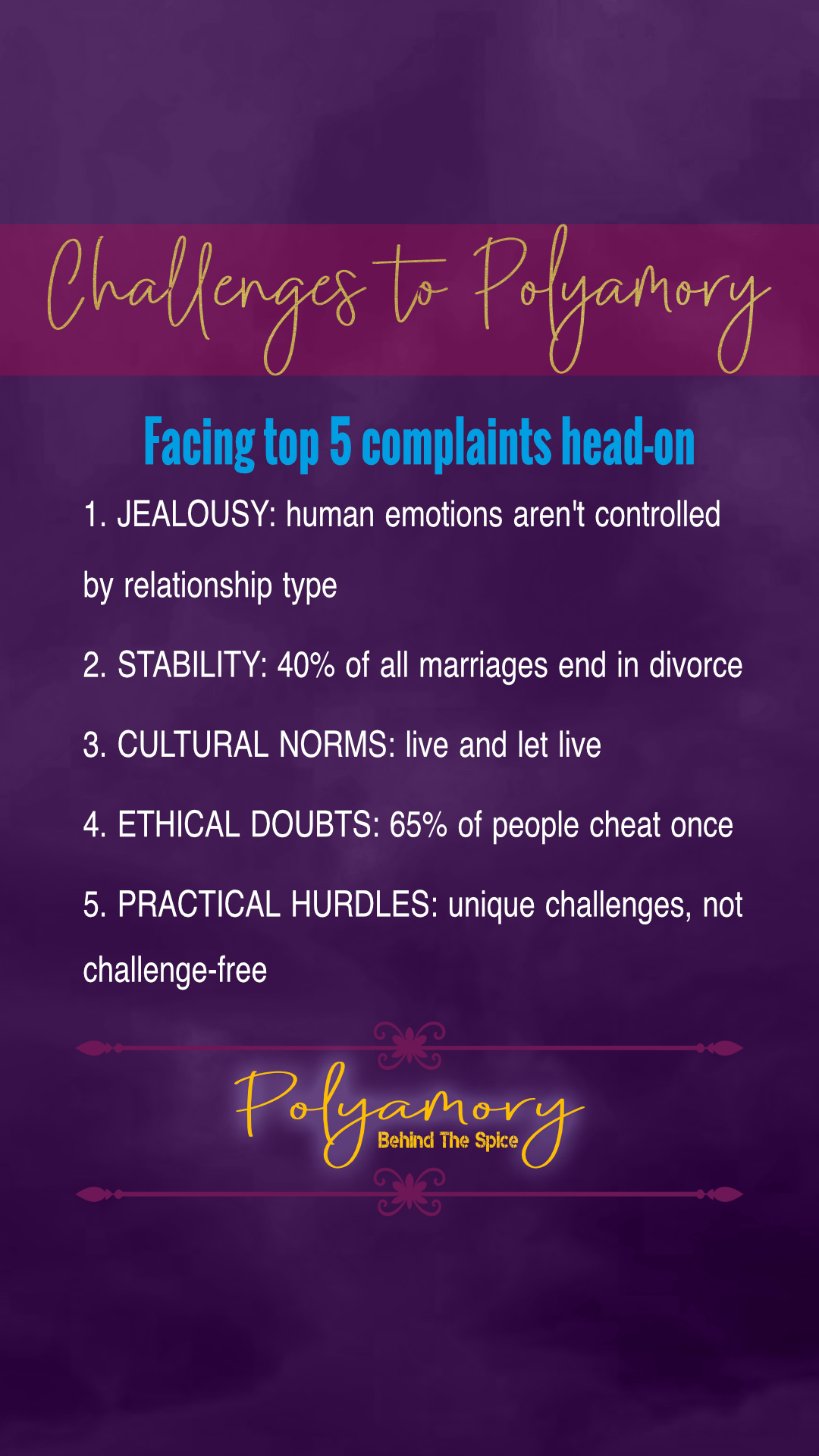
Let’s address the opposition to Polyamory
Jealousy: jealousy happens in all relationships. I’ve discussed this in many posts. It’s about how you deal with it that is important.
Stability: 40% of all marriages end in divorce. It is a lot of pressure to expect one person to suit all of your physical, emotional, and intellectual needs for an entire lifetime.
Cultural Norms: Why must people yuck others’ yum?
Ethical Doubts: 65% of people cheat at least once. Marriage isn’t a shield against cheating. And open relationships are not a form of cheating.
Practical Hurdles: All relationships face challenges. Those challenges aren’t the same for every couple, regardless of the type of dynamic.

Polyamory is not automatically “better” than monogamy. It is just a different relationship style that suits some people’s needs “better.”
It’s not a question of “better.” Polyamory is breaking free of the assumed monogamish assumption. Polamory opens up discussions about values, capacity, and what works for a set of people.
Books by Liz Ellyn where polyamory is challenged:
Overruling Judgment
Defending Engagement

Family gatherings on holidays or other celebrations can be a complicated mess for people in any kind of relationship. Making wild assumptions about someone’s plans is absurd. When closed-minded people label someone’s choices as “shame,” all they’re really doing is revealing their own ignorance.
Polyamorous Romance by Liz Ellyn:
Overruling Judgment MFM
Defending Engagement MFM
Willful Parties MMF
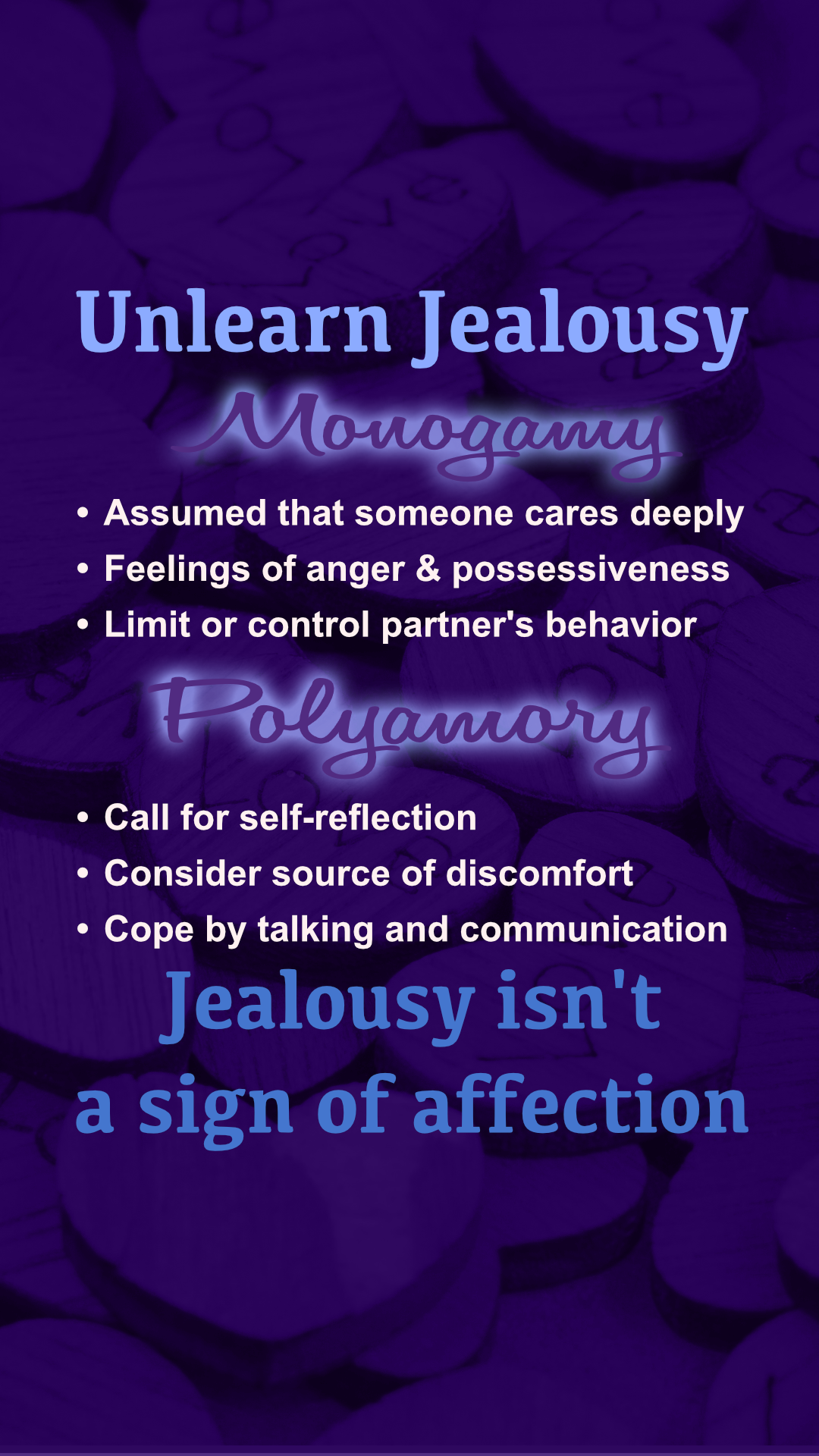
A common misconception is that jealousy is a litmus test of whether or not a person cares deeply for someone else.
Compersion is the feeling of seeing your partner happy and content.
Choosing compersion over control seems like a kinder and healthier option.
Liz Ellyn’s Romance Novels with Real Polyamory:
Overruling Judgment MFM
Defending Engagement MFM
Willful Parties MMF

One of the most common questions asked about polyamorous relationships is about the issue of jealousy. Don’t polyamorous people get jealous? Yes, they do.
But jealousy also exists in monogamous relationships. In fact, it occurs more often in monogamous relationships than polyamorous ones.
Jealousy is actually more destructive in monogamous relationships than polyamorous ones.
Looking for more love, more drama, and more partners in romance novels? Check out these polyamorous novels:
Polyamorous romance books by Liz Ellyn:
Overruling Judgment
Defending Engagement
Willful Parties

Styles of Polyamory
Polyamory: Multiple loving partners. Everyone knows and consents.
Ethical non-monogamy: Any consensual non-exclusive relationship.
Open relationship: Couple allows outside s-xual partners, often remains emotionally exclusive.
Monogamish: Mostly monogamous, occasional outside s-xual partners.
Polyfidelity: Exclusive commitment within a group. Faithful to several, closed to others.
Relationship Anarchy: No hierarchy, rules, or labels. Values individual freedom.
Solo polyamory: Polyamorous, no primary partner, values independence.
Polyamorous romance books by Liz Ellyn:
Overruling Judgment
Defending Engagement
Willful Parties

Polyamory is a concept that includes many variations of relationships involving more than two people.
Choosing appropriate terms within polyamory is important as language shapes understanding.
Why Choose is more intended to be used as a trope in fiction
Sometimes an author can incorporate both polyamory and why choose in a single novel/series.
Check out these books by Liz Ellyn
Overruling Judgment
Defending Engagement
Willful Parties

Willful Parties by Liz Ellyn
Three hearts. One fiery passion. Endless complications. Seth, the daring bisexual, ignites the spark. As Kat, the sharp-witted pixie, guards her heart, Dylan, the confident future politician, fights battles with identity and ambition. Their sizzling love burns bright in law school, but life’s trials threaten to tear them apart. Can they overcome legal battles, loss, and fear to reclaim the polyamorous love of a lifetime?
Tropes:
Polyamory
Fighting Biphobia
Lawyer Romance
Cross Cultural
3 POV
Best Friend Romance
City Romance
MMF
 Indulge in Life's Guilty Pleasures