
Is Polyamory Better?

Polyamory is not automatically “better” than monogamy. It is just a different relationship style that suits some people’s needs “better.”

It’s not a question of “better.” Polyamory is breaking free of the assumed monogamish assumption. Polamory opens up discussions about values, capacity, and what works for a set of people.

Books by Liz Ellyn where polyamory is challenged:
Overruling Judgment
Defending Engagement

Polyamory – don’t make foolish assumptions

Family gatherings on holidays or other celebrations can be a complicated mess for people in any kind of relationship. Making wild assumptions about someone’s plans is absurd. When closed-minded people label someone’s choices as “shame,” all they’re really doing is revealing their own ignorance.

Polyamorous Romance by Liz Ellyn:
Overruling Judgment MFM
Defending Engagement MFM
Willful Parties MMF

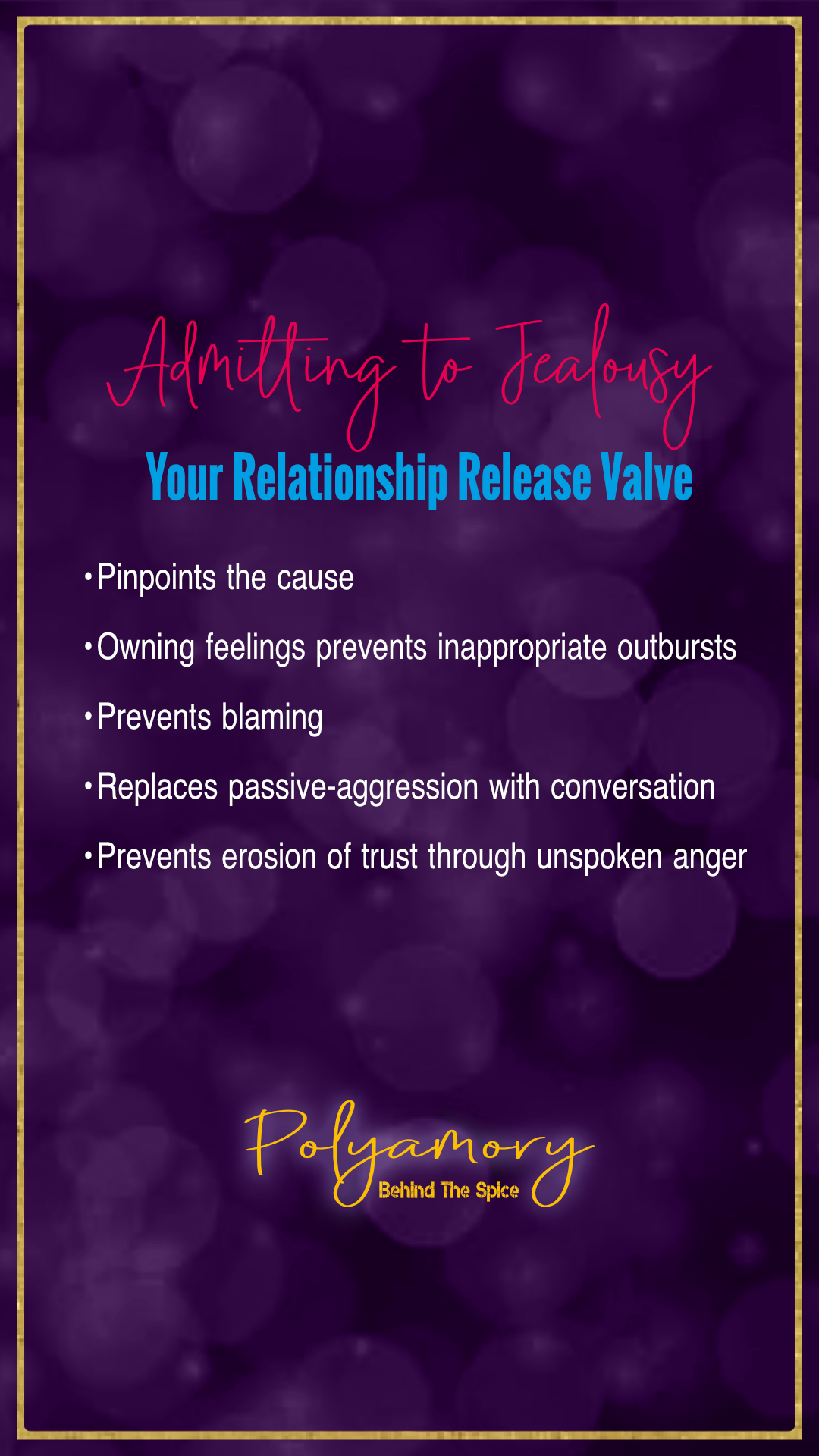
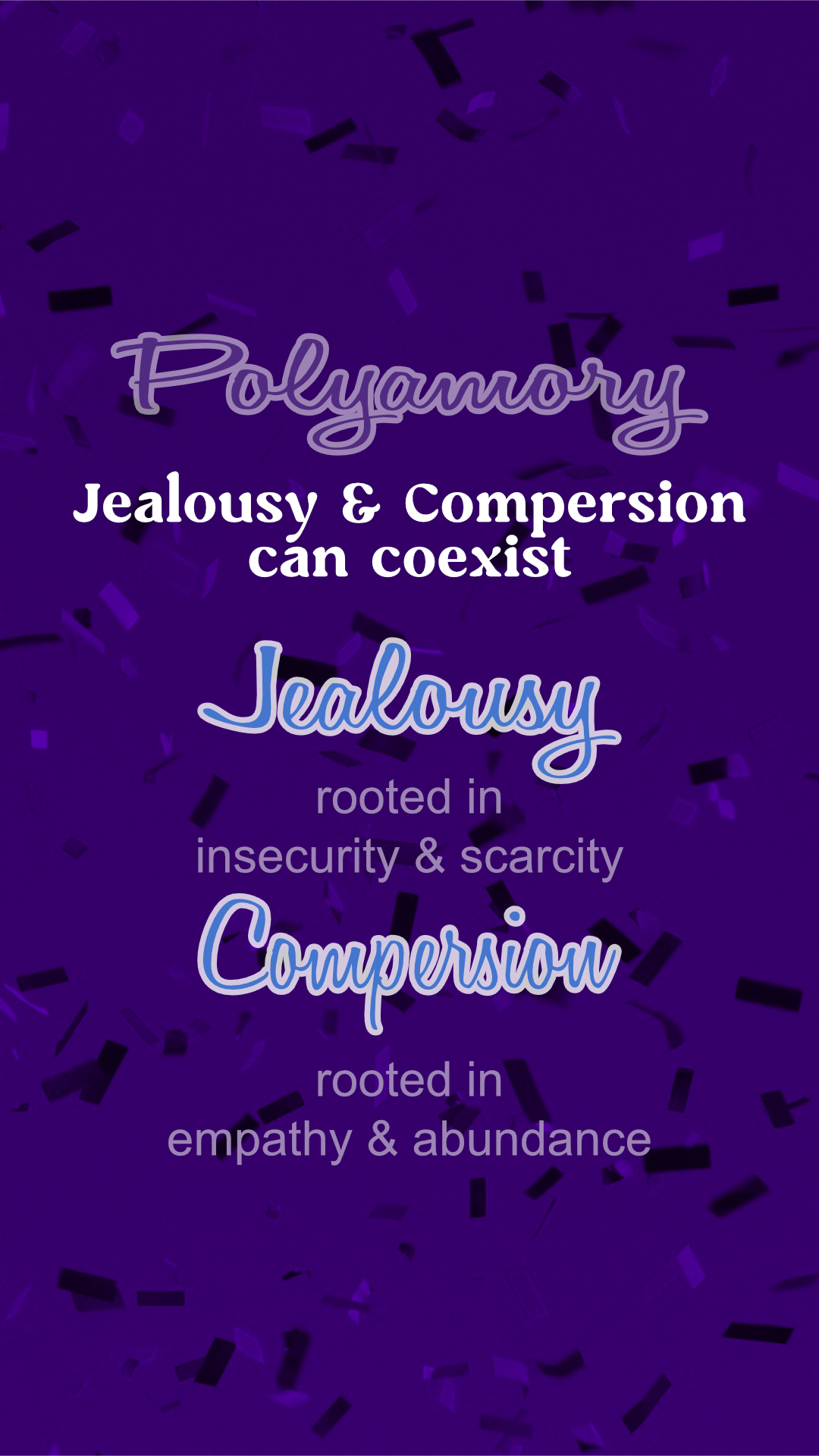
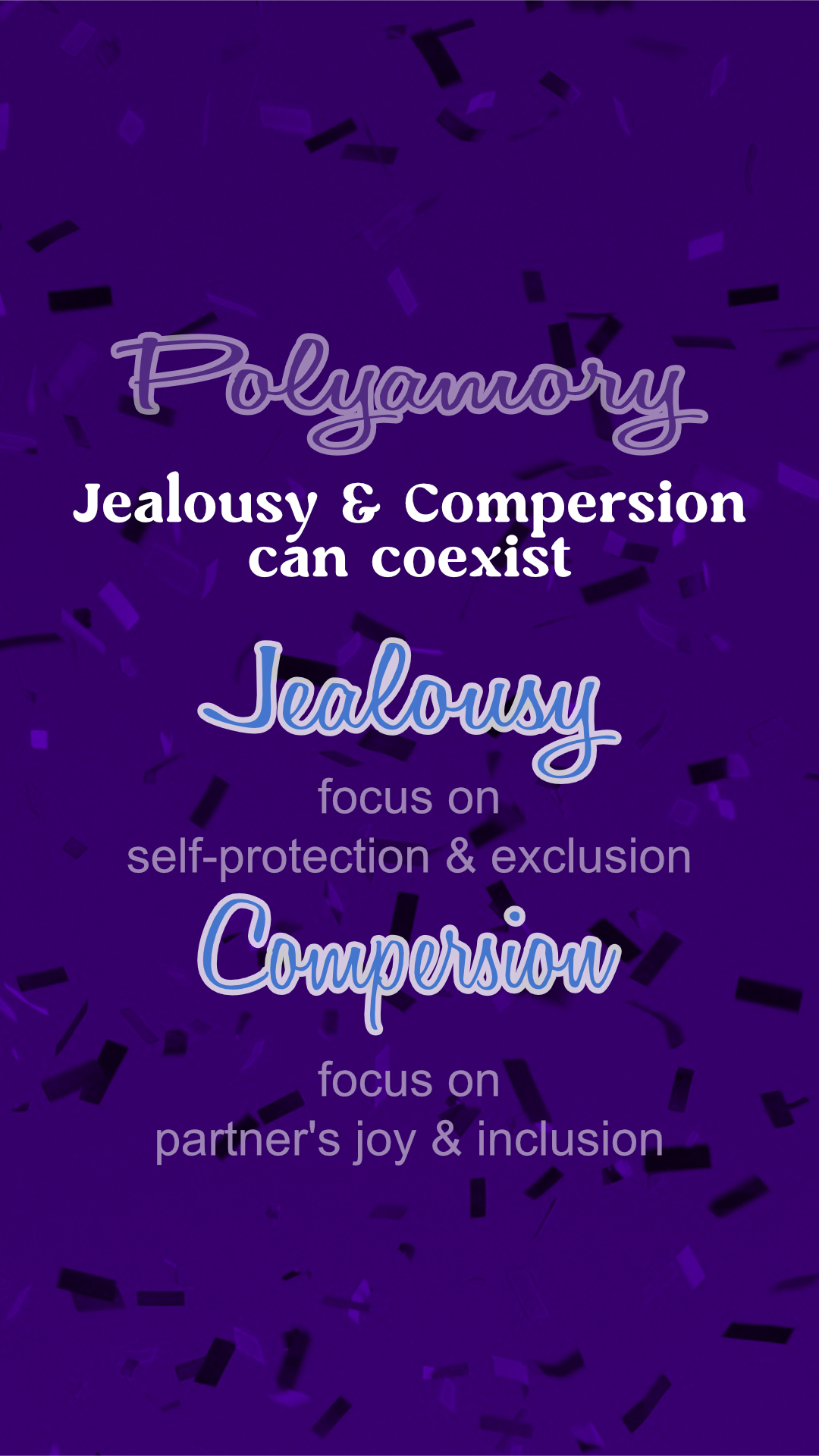
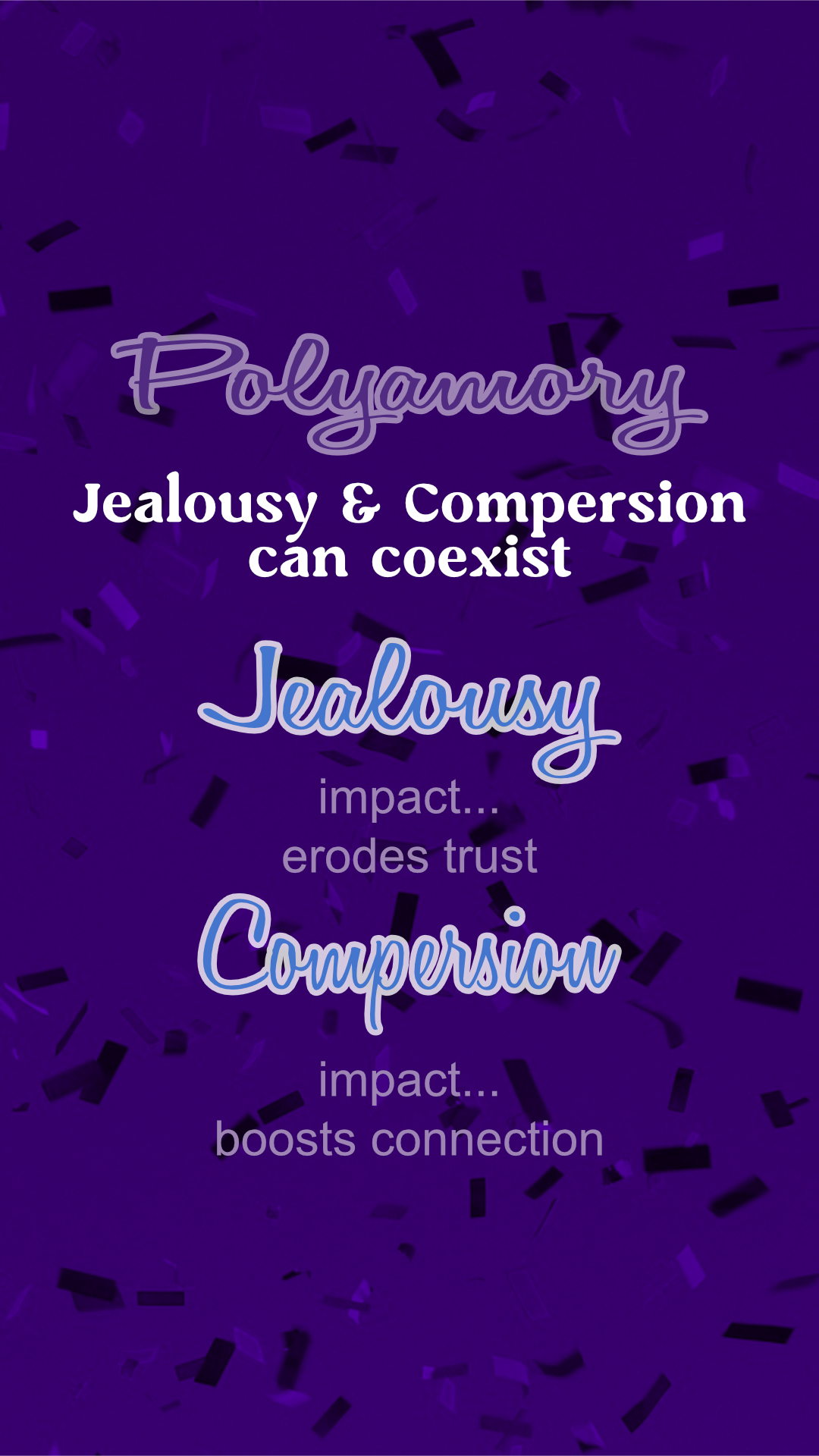
Unlearn Jealousy

A common misconception is that jealousy is a litmus test of whether or not a person cares deeply for someone else.

Compersion is the feeling of seeing your partner happy and content.

Choosing compersion over control seems like a kinder and healthier option.

Liz Ellyn’s Romance Novels with Real Polyamory:
Overruling Judgment MFM
Defending Engagement MFM
Willful Parties MMF

Comparing Jealousy: Polyamory vs. Monogamy

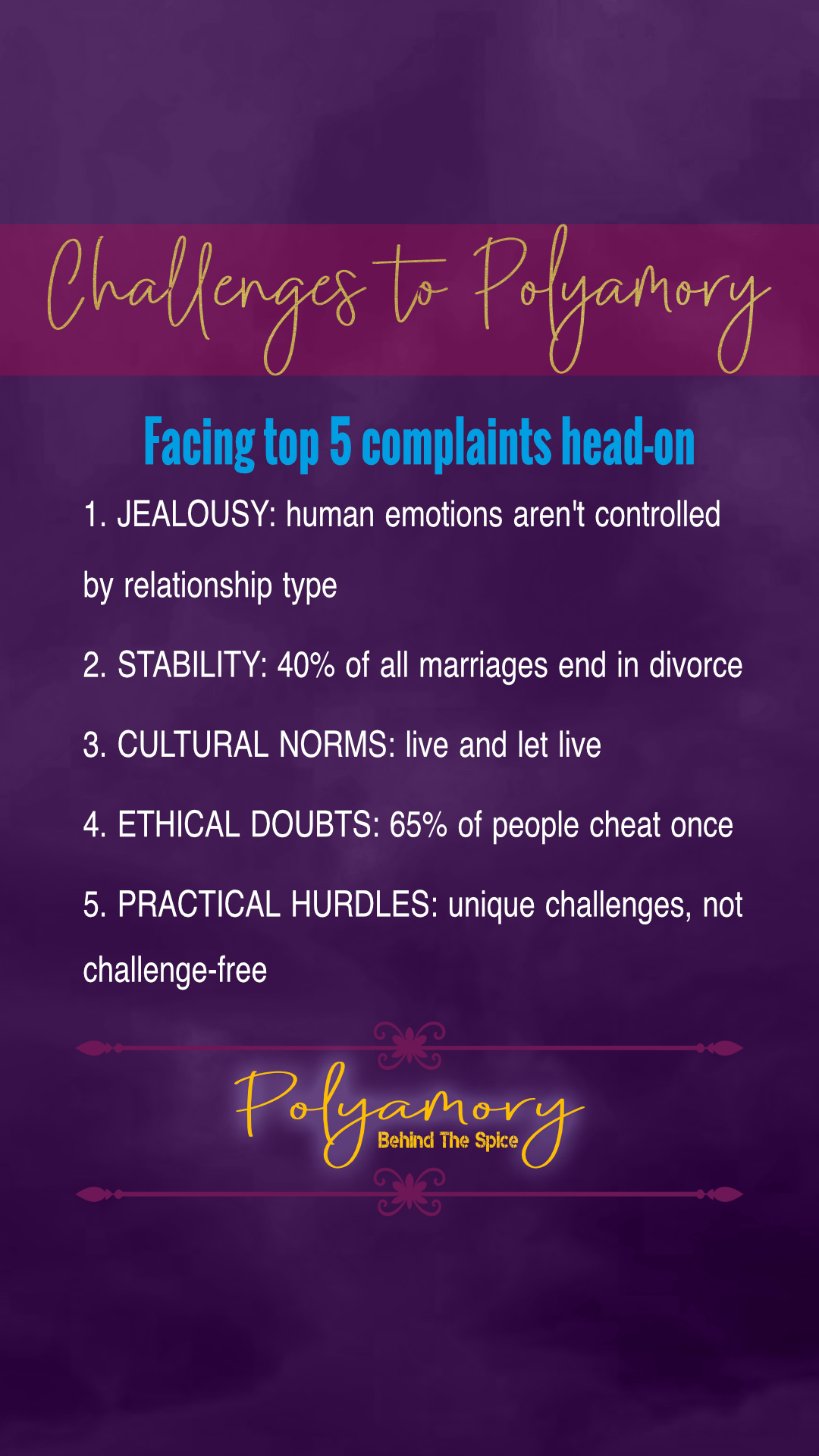
One of the most common questions asked about polyamorous relationships is about the issue of jealousy. Don’t polyamorous people get jealous? Yes, they do.

But jealousy also exists in monogamous relationships. In fact, it occurs more often in monogamous relationships than polyamorous ones.

Jealousy is actually more destructive in monogamous relationships than polyamorous ones.

Looking for more love, more drama, and more partners in romance novels? Check out these polyamorous novels:

Polyamorous romance books by Liz Ellyn:
Overruling Judgment
Defending Engagement
Willful Parties

Exploring Polyamory in Romance Novels

Looking for polyamory in your romance novels? Just looking for something new? Polyamory romances go deeper than “boy meets girl.” They explore connection in its boldest form, layered emotions, honest communication, and the kind of love that expands instead of divides.

If you’re ready for characters who grow, collide, and choose each other in beautiful, unexpected ways… these books are for you.

Polyamorous romance books by Liz Ellyn:
Overruling Judgment
Defending Engagement
Willful Parties

Understanding Different Styles of Polyamory

Styles of Polyamory

Polyamory: Multiple loving partners. Everyone knows and consents.

Ethical non-monogamy: Any consensual non-exclusive relationship.

Open relationship: Couple allows outside s-xual partners, often remains emotionally exclusive.

Monogamish: Mostly monogamous, occasional outside s-xual partners.

Polyfidelity: Exclusive commitment within a group. Faithful to several, closed to others.

Relationship Anarchy: No hierarchy, rules, or labels. Values individual freedom.

Solo polyamory: Polyamorous, no primary partner, values independence.

Polyamorous romance books by Liz Ellyn:
Overruling Judgment
Defending Engagement
Willful Parties

Is Polyamory the same as Why Choose?

Polyamory is a concept that includes many variations of relationships involving more than two people.

Choosing appropriate terms within polyamory is important as language shapes understanding.

Why Choose is more intended to be used as a trope in fiction

Sometimes an author can incorporate both polyamory and why choose in a single novel/series.

Check out these books by Liz Ellyn
Overruling Judgment
Defending Engagement
Willful Parties

Lessons to Learn from Polyamory

It’s not about saying one model is better than another. It’s about encouraging a mindset that focuses on being curious, embracing discomfort, confronting assumptions, and investing time and effort. One of the most powerful lessons of polyamory is the dedication to honest self-analysis and open communication. That’s what really sustains love.

If monogamous people spent more time on improving their relationships than bashing the concept of polyamory, divorce rates in the US might not be 40-50%.